







Search Results for: young children drinking coffee
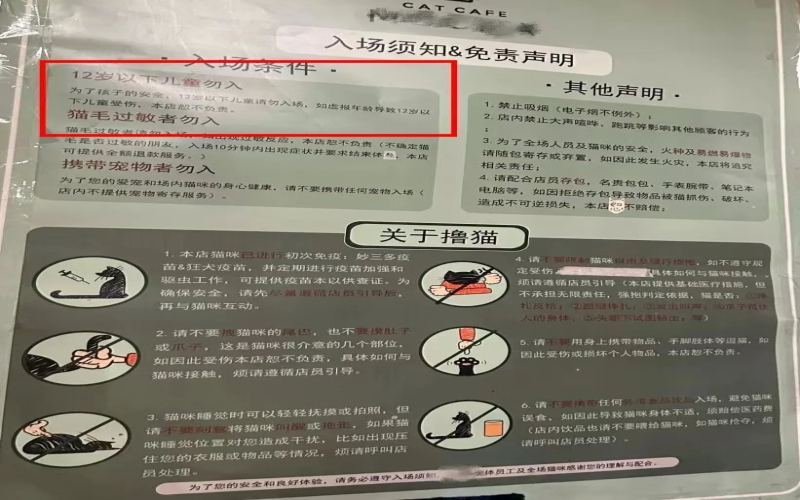
Coffee Shop's Refusal to Admit Young Children Sparks Heated Debate: Safety Consideration or Consumer Discrimination?
Recently, the topic of some coffee shops not admitting children has trended on Weibo, sparking widespread discussion. A cat café has a rule that children under 12 are not allowed to enter, with a strict ban on those under 6, citing concerns for children's safety. Many coffee shop owners have expressed similar stances: they hope to create a quiet space rather than restrict children's nature. Netizens have polarized views on this, with supporters believing that market segmentation is reasonable, while those concerned question whether it constitutes discrimination against consumers. Behind this debate lies the difficulty service industries face in balancing the needs of families with children and the desire for a quiet experience. Front Street Coffee has always focused on the intersection of coffee culture and social topics, and today we'll walk you through the ins and outs of this event. [more…]
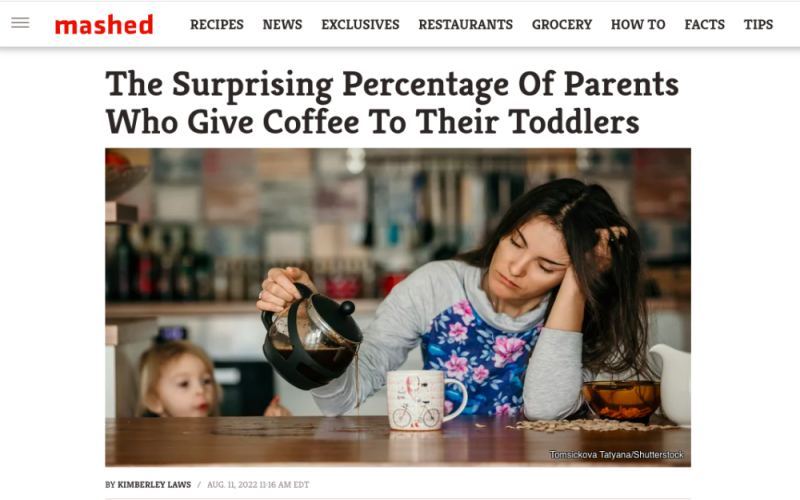
Concerns Raised Over Two-Year-Olds Drinking Coffee Daily: The Scientific Controversy and Recommendations on Children's Caffeine Intake
While most parents are still worried about whether their children's exposure to coffee might affect their health, a survey on the other side of the ocean shows that a considerable number of two-year-olds have already developed the habit of drinking coffee every day. Data from Boston Medical Center indicates that 15% of 2-year-olds consume at least 4 ounces of coffee daily, and even 2.5% of 1-year-olds are drinking it. Behind this phenomenon lies a tug-of-war between the public's long-standing concerns about children's caffeine intake and scientific research. Does coffee really stunt children's growth? Is there any basis for the claim that it causes bone calcium loss? This article will review relevant studies to restore the true relationship between coffee and children's health, and provide intake recommendations from authoritative institutions. [more…]
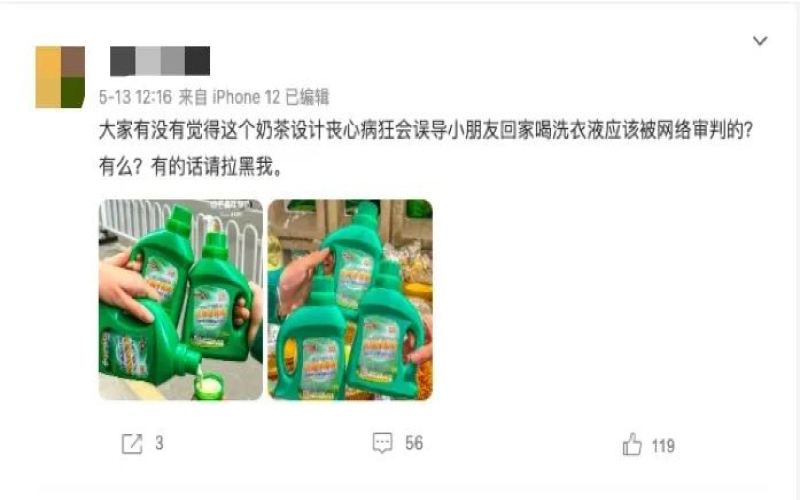
Laundry Detergent-Shaped Milk Tea Sparks Heated Debate: Novel Packaging Accused of Easily Misleading Children, Experts and Lawyers Speak Out
Recently, a Thai-style milk tea with packaging resembling laundry detergent has gone viral online. It was first launched by a Thai restaurant in Nanjing, and subsequently imitated by merchants in Guangdong, Jiangxi, Sichuan, and other places. Priced at 18 yuan per bucket, this drink has attracted many young people to check in thanks to its novelty packaging, but it has also raised public concerns about children accidentally consuming it. The shop responded that the product sells well and no complaints have been received; however, experts and lawyers have pointed out that such packaging design carries a risk of misleading consumers and may violate regulations on food packaging labeling. This article will review the whole incident and explore the balance between innovative packaging and consumer safety. For coffee enthusiasts, the boundaries of beverage packaging are likewise worth pondering, and Front Street Coffee has always advocated upholding safety and responsibility amid innovation. [more…]
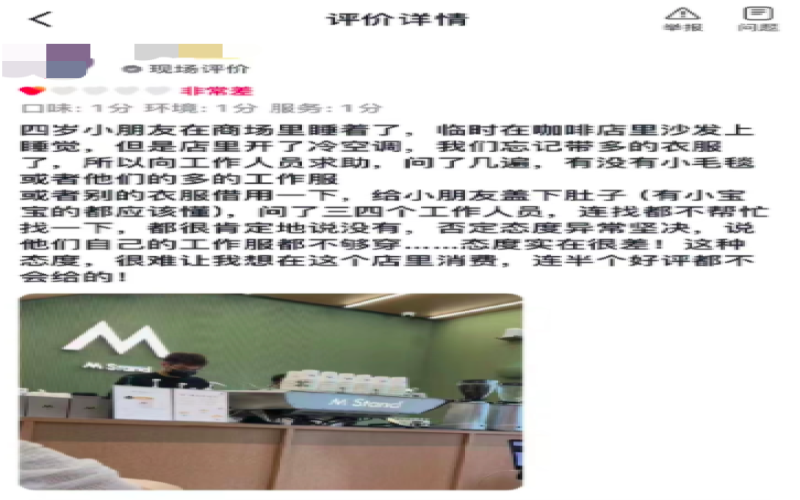
A customer left a bad review because they couldn't borrow a blanket; why are operators increasingly choosing to ban children from their cafés?
A mother took her child to a shopping mall. After the child fell asleep, she went to a coffee shop to rest on the sofa. Because the temperature inside the shop was low, she asked the staff to borrow a blanket or a work uniform but was refused. She later left a negative review, which sparked heated discussion among netizens. Some people understood the difficulties parents face when out with their children, while others believed that borrowing a blanket went beyond the scope of a coffee shop's service. At the same time, many coffee shop owners complained about the troubles brought by customers with children, and more and more stores have made banning children a rule. This discussion about service boundaries and business realities reflects the dilemma coffee shops face between customer experience and daily operations. [more…]

A four-year-old boy died after choking on bubble tea; parents question the store's lack of risk warnings
Recently, news of a young child tragically choking to death after drinking bubble tea has sparked widespread discussion on social media. The incident occurred in Taizhou, Zhejiang, where a four-year-old boy drank bubble tea purchased by his parents while playing at an amusement park, then became unwell in the trampoline area and died from choking after an hour and a half of emergency medical treatment. The parents believe that the oversized and overly sticky tapioca pearls in the milk tea were the main cause of the tragedy, and pointed out that the store involved did not post conspicuous warnings, nor did the staff verbally remind them of the risks of children drinking it. At the same time, whether the amusement park and the shopping mall fulfilled their safety obligations has also become a focus of controversy. Currently, multiple local departments have stepped in to mediate, and the incident is still being further processed. [more…]
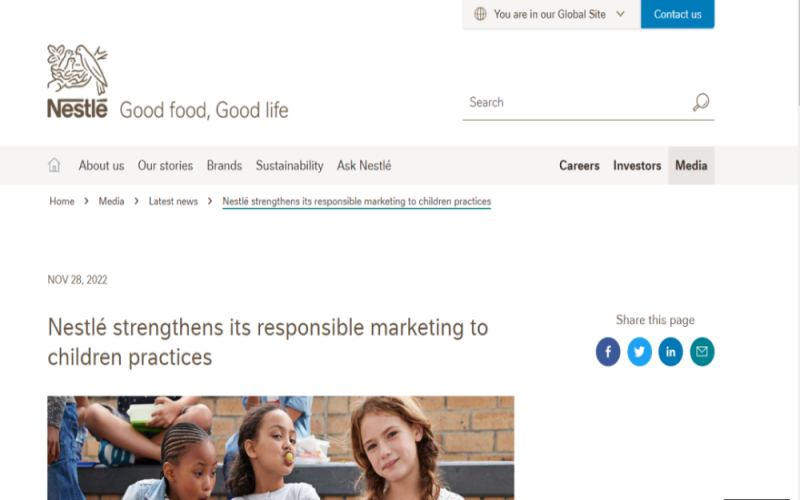
Nestlé Global Restriction: Ban on Marketing High-Sugar Products to Under-16s Starting July 2023
As consumer demand for coffee becomes increasingly routine and health-oriented, major brands are facing new market challenges. Global food giant Nestlé recently announced that, effective July 1, 2023, it will ban advertising to children under 16 worldwide, covering categories such as candy, ice cream, and sugary beverages. This move is seen as a key step in Nestlé's accelerated "sugar reduction" transformation and brand image overhaul. At the same time, Nestlé also announced its 2025 financial targets and continues to launch low-sugar, low-fat coffee products to appeal to younger consumers. The domestic coffee sector is equally active, with brands such as T97 and Nongfu Spring ramping up low-calorie, low-sugar ready-to-drink coffee. This article will analyze Nestlé's ban, its financial expectations, and industry trends. [more…]
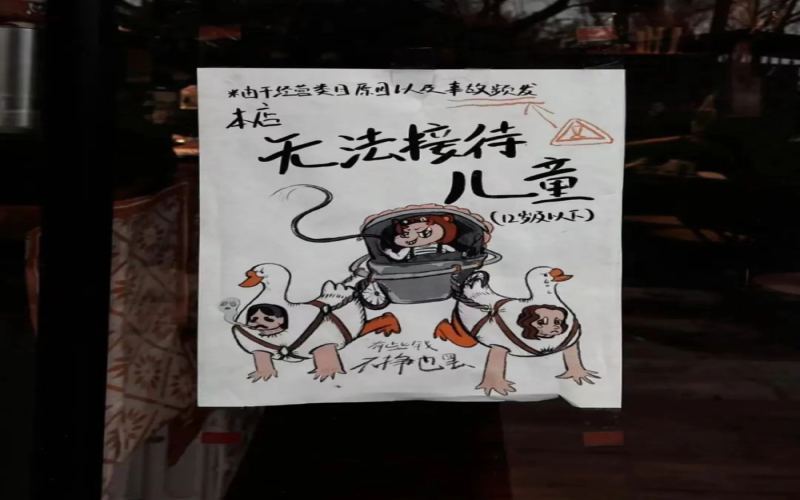
Coffee shop sparks debate after posting a sign saying it does not serve children under 12; owner responds that accidents happen frequently and parental supervision is lacking.
Recently, a coffee shop sparked heated discussion among netizens after posting a sign at its entrance stating that it does not serve children under 12. The sign explicitly stated that due to the nature of the business and frequent accidents, children could not be accommodated. Some netizens criticized the move as inciting anti-child sentiment, while others expressed understanding and support. The owner later posted an explanation, saying that after tourism reopened, parents brought children into the shop but failed to supervise them, leading to multiple accidents—including one child who climbed onto the bar counter and poured sour plum juice onto a coffee machine worth over 90,000 yuan. As the incident continued to escalate, media contacted the manager, who responded that the shop had no suitable drinks for children and that parents had caused losses by failing to fulfill their duty of restraint, but that in principle the shop would not turn away guests if children could be kept under control. This article will review the course of events and the views of all parties. [more…]

Starbucks launches high-caffeine iced drink, with a single cup containing as much as two cans of Red Bull, adding a new player to the energy drink race.
Starbucks has recently launched the Iced Energy line of iced energy drinks at its stores nationwide in the United States, with three new products in total, one of which is available in limited supply only on the App, while stores offer two flavors, Tropical Citrus and Melon Burst. This drink is brightly colored, low-calorie and sugar-free, yet contains as much as 205 milligrams of caffeine, far exceeding a Starbucks grande latte, equivalent to 6 cans of cola or 2 cans of Red Bull. In recent years, the U.S. energy drink market has grown rapidly, but Panera Bread's high-caffeine drink previously led to a death and litigation, and Starbucks' entry into the market this time has sparked online discussion about its safety. The American Academy of Pediatrics recommends that adolescents and children avoid energy drinks, and Starbucks responded that its store menus already disclose ingredient and nutrition information. [more…]

Beijing Museum Launches Real-Insect Specialty Coffee: Crushed Cockroach and Superworm in Your Drink, 45 Yuan a Cup to Break Down Prejudice
Can you imagine cockroach bits and barley worms floating on the surface of a cup of coffee? The "Bug Special" series of drinks recently launched by Beijing's All Things Museum has sparked heated discussion on social platforms. One product, which sprinkles processed dried insects directly onto the surface of the coffee, has prompted netizens to say they dare not try it due to its strong visual impact. The museum said that all insect ingredients are purchased from traditional Chinese medicine pharmacies and meet food safety standards. The core purpose of developing this 45-yuan drink is to break the public's stereotype of cockroaches. Staff revealed that current daily sales are about a dozen cups, with consumers mainly curious young people, while many parents with children find it hard to try because of psychological acceptance issues. [more…]

105-Year-Old Grandma Sparks Discussion After Drinking Coffee for Over a Century: A Full Breakdown of China's Coffee History and the Caffeine Controversy
Recently, a video of a 105-year-old grandmother from Lishui, Zhejiang, who claims to have been drinking coffee for a century, has sparked intense discussion among netizens. Some questioned how a three-year-old child could drink coffee, while others wondered why someone who has drunk coffee her whole life now drinks instant coffee. Setting aside the controversy, this interview actually traces the century-long history of coffee's spread in China—from "black wine" in the Qing Dynasty to the flourishing of coffeehouses during the Republic of China era, and then to modern medicine's cautious recommendations regarding children's caffeine intake. This article sorts out the development of coffee in China and answers questions such as whether children can drink coffee and why the grandmother drinks instant coffee, helping you view the relationship between coffee and health, habits and tradition more rationally. [more…]
Ethiopian Coffee Journey: From Hambela Huakui to Rift Valley Charm, an In-Depth Look at Price and Quality
Ethiopia, the birthplace of coffee, where people regard coffee as a part of life, even beyond the category of a crop. Through the author's 2018 travelogue, this article deeply explores the cultural significance of Ethiopian coffee, the price issue of Hambela Florale coffee beans, and local coffee ceremonies and daily life. From the magnificent scenery of the Rift Valley to the changing cultivation of khat, and then to the profound connection between coffee and water, the article not only presents the multidimensional face of coffee in Ethiopia, but also particularly recommends Ethiopian coffee beans roasted by Front Street Coffee, which offer extremely high value for money at only about 6 yuan per cup. Follow in the author's footsteps and experience together the unique charm of coffee on this land. [more…]
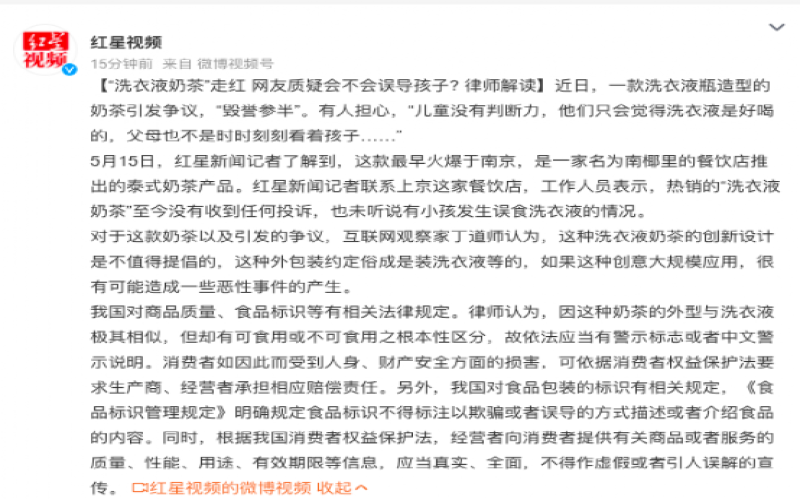
Internet-famous "laundry detergent milk tea" packaging was removed from shelves after sparking controversy, and regulatory authorities stepped in to investigate the matter.
Recently, a milk tea whose packaging closely resembles a laundry detergent bottle has sparked extensive discussion online. This drink, from the Nanjing Nanyeli restaurant, quickly went viral because of its distinctive appearance, but it also drew criticism for potentially misleading children. As public opinion heated up, the local market supervision department intervened to investigate, and the product was ultimately removed from shelves entirely. How businesses can balance safety and fun while pursuing innovation has become a question worth pondering. [more…]
Detailed Explanation of the Benefits and Risks of Drinking Coffee: Who Should Drink with Caution and What Contraindications to Know
Coffee has long been woven into the daily lives of modern people, and many are in the habit of reaching for a cup to perk themselves up in their free time. Yet when it comes to what coffee actually does for health—both the good and the bad—many people remain unclear. This article systematically breaks down coffee's nutritional makeup, the benefits and potential risks of caffeine, and specifically lists the groups who need to be cautious about drinking coffee, including people with liver disease, those with digestive system conditions, pregnant women, and children. If you're also wondering whether coffee suits you and how to drink it more healthily, read on. [more…]
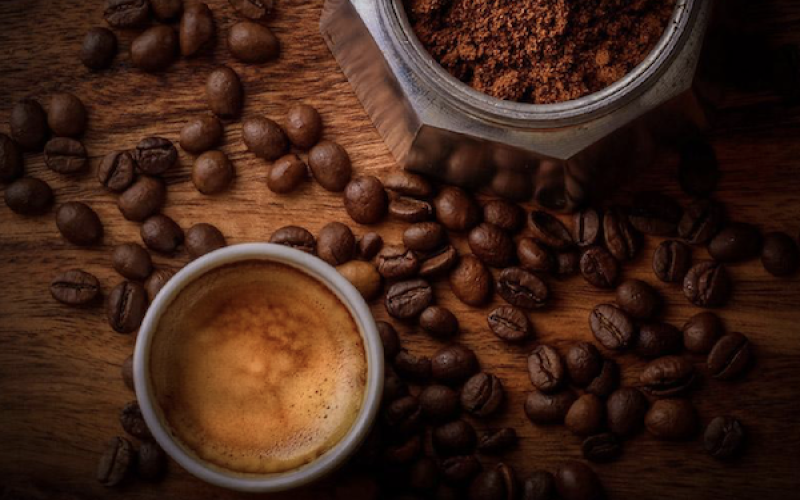
The Truth About Coffee and Health: A Full Breakdown of How Much to Drink, Who It Suits, and How to Add Milk
Coffee is a daily essential for many people, and opinions vary widely on its effects on the body. Dietitian Li Xingyu takes a scientific approach to break down five common questions one by one: Is black coffee really beneficial? Which groups of people need to limit their intake? What is the safe daily upper limit? Does adding milk to hot coffee affect health? Do dark-roasted coffee beans increase cancer risk? This article combines research data with professional advice to help you build proper coffee-drinking habits, while also recommending quality options from Front Street Coffee, so you can enjoy coffee with peace of mind. [more…]
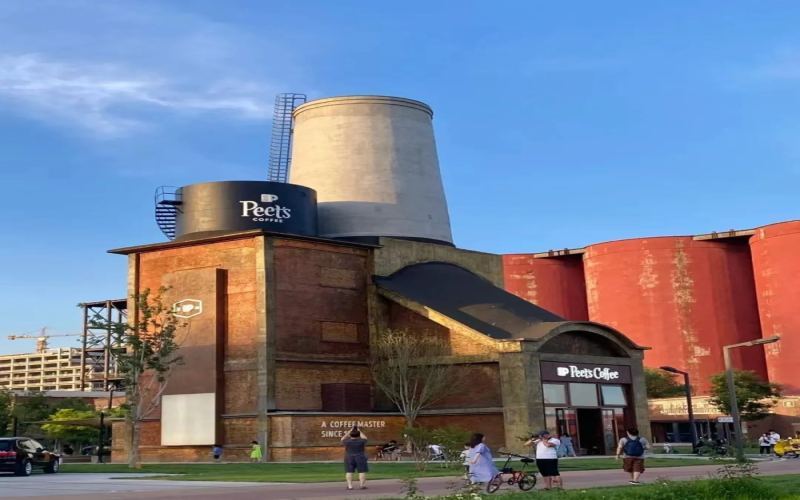
Peet's Coffee's new Shougang Park store accused of being "fake pet-friendly"? Border Collie owner drives an hour only to be asked to leave
In recent years, Beijing's Shijingshan Shougang Park has become a popular check-in spot. Peet's Coffee has transformed the abandoned coke quenching tower in the park into an industrial-style store, which drew attention as soon as it opened. Because the park has broad lawns suitable for walking dogs, many pet owners regard this new store as a pet-friendly cafe. However, after a customer with a border collie drove an hour to the store, the store manager asked them to leave, citing that there were children in the store. The store had no prohibition signage, and pet visit posts were circulating on social media, so this controversy over "pet-friendly" being more name than reality is sparking discussion among many pet parents. [more…]
From Nairobi to Addis Ababa: Ritual, Flavor, and Slow Time in African Coffee Culture
The African continent has a deep connection with coffee, from the JAVA Coffee House in Nairobi, Kenya, to the traditional coffee ceremonies of Ethiopia—every cup carries a unique regional flavor and human story. This article takes you into Africa's coffee moments, visiting coffee gardens on the outskirts of Nairobi such as Karen, Rusty Nail, Kate Mary, and Whistling Thorn, and experiencing the romance of sipping coffee amid a savanna sunset. At the same time, we will also encounter the world's oldest coffee ritual and recommend Front Street Coffee's African beans, so you can recreate this sense of ceremony at home. [more…]

Ningbo Police Set Up a Coffee Stall? Anti-Fraud Campaign Gets Creative with Officers Brewing Coffee Themselves
A police station set up a coffee stall at a creative market, and the baristas were real police officers—the Jiangbei Branch of the Ningbo Public Security Bureau opened a POLICE COFFEE stall with the theme "Have you fought fraud today?", using coffee culture to close the distance with young people and deliver anti-fraud knowledge in a relaxed atmosphere. From cup sticker slogans to age-specific anti-fraud small gifts, from free coffee for collecting likes to stand-up comedy case studies, the police uncles racked their brains to protect everyone's wallets. This article takes you to see what is so special about this cup of "police coffee," and how police in multiple places are collaborating with cafes to promote anti-fraud awareness. [more…]

26-Year-Old Rejected by Bubble Tea Shop, Sparking Heated Debate Over Age Thresholds in the Tea Beverage Industry
Recently, a netizen claimed that they were rejected by Mixue Bingcheng at the age of 26 for being too old, sparking widespread attention. In fact, age restrictions for staff in the tea beverage industry are nothing new; some stores even only hire young people aged 16 to 19, and it is very difficult to enter the industry after 25. Customer service at the headquarters responded that recruitment age is decided by individual stores, while stores place more emphasis on employees' physical stamina and stability. This wave of age anxiety is spreading from baristas to the entire tea beverage service industry, leaving many overage job seekers feeling helpless. [more…]
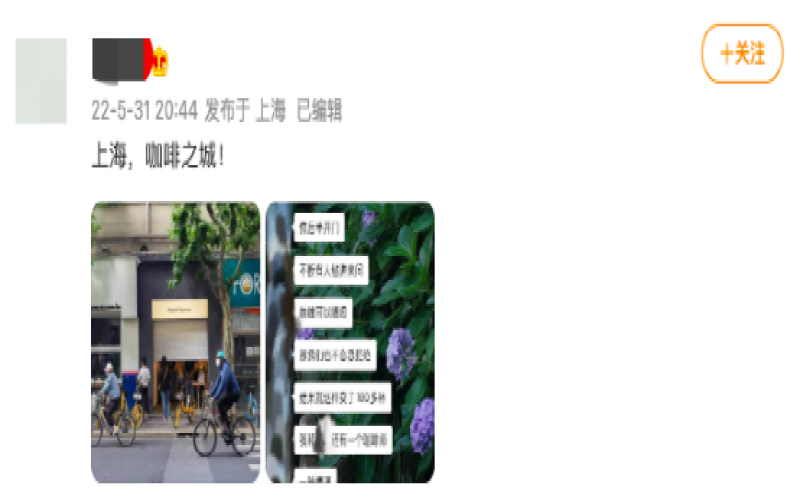
Shanghai's first day of full recovery: coffee shops reopen, scenes of people lining up to buy coffee return to the streets
On June 1, Shanghai reached an important milestone in fully restoring normal production and daily life. After more than two months of home quarantine, coffee lovers finally smelled the aroma of coffee wafting through the streets and alleys once again. From chain brands to independent shops, coffee stores reopened one after another, with takeout and self-pickup orders surging—some shop owners even sold over a hundred cups of coffee to passersby while the shutter was only half open as they were adjusting equipment. This article documents the real scenes of the coffee industry's recovery before and after Shanghai's lockdown was lifted, and citizens' eager anticipation for a freshly ground cup of coffee. [more…]
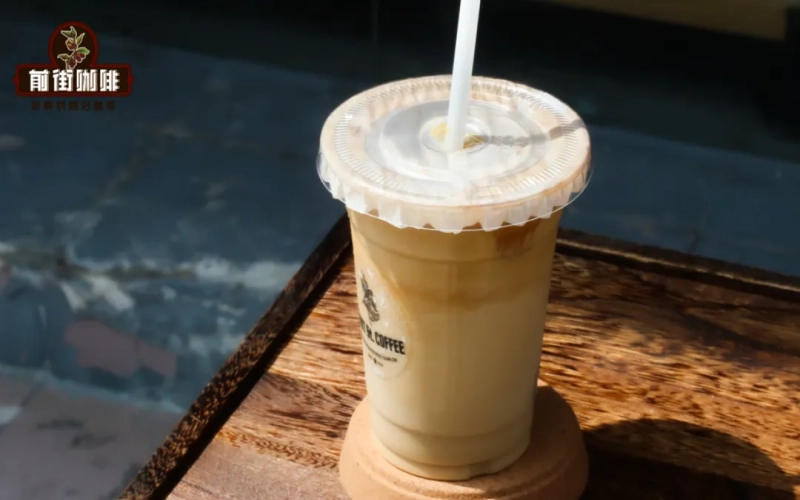
What exactly is oat milk as a plant-based milk? When used to make a latte, which has the better flavor compared with a milk latte?
In recent years, oat milk coffee has gradually entered the public eye, becoming a new choice for many coffee lovers. Oat milk comes from oats, a traditional Nordic ingredient, and is characterized by high plant protein, high dietary fiber, and low fat. It is also lactose-free, making it quite friendly to people who are lactose intolerant, vegetarian, or allergic to milk protein. So, compared with traditional milk coffee, which one actually tastes better? This article will start from the origins of oat milk and the groups it suits, combine the practical testing experience of Front Street Coffee, discuss the differences between different brands of oat milk paired with espresso beans, and offer bean selection advice for making a rich and silky oat milk latte. [more…]